How to Track Calls, Clicks and Direction Requests From Your Google Business Profile
Learn how to track calls, clicks, and direction requests from your Google Business Profile. Master local SEO insights to boost your business visibility.
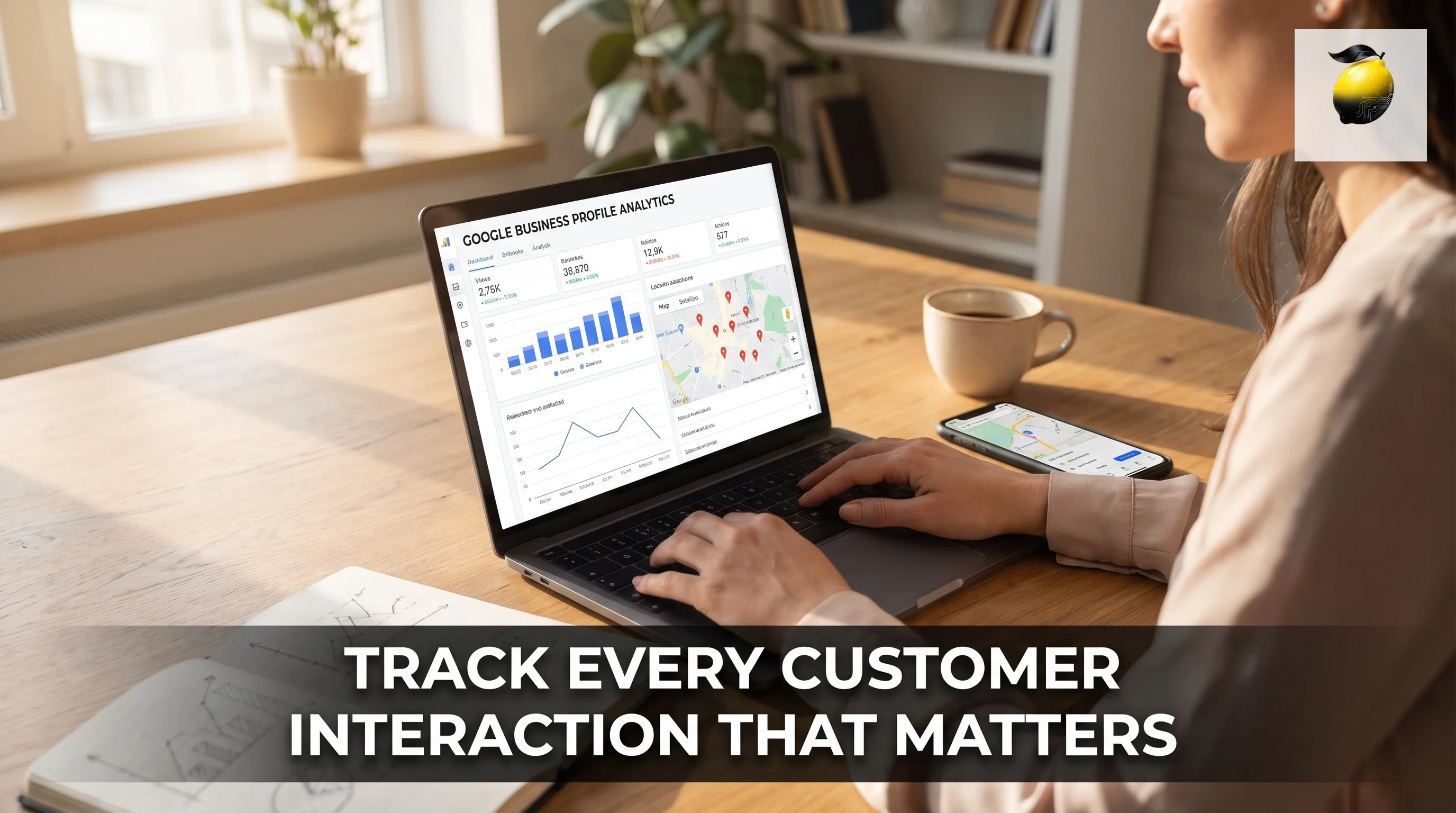
How to Track Calls, Clicks and Direction Requests From Your Google Business Profile
Your Google Business Profile is more than just a digital listing. It is a powerful tool that connects local customers with your business through three critical actions: phone calls, website clicks, and direction requests. Understanding how to track these interactions provides invaluable insights into customer behavior and helps optimize your local seo ranking. For businesses focusing on google business profile management gurgaon or any other location, mastering these tracking capabilities transforms raw data into actionable strategies that drive real-world results.
The ability to monitor user engagement through your Business Profile directly impacts your visibility in local searches. When potential customers find your business on Google Maps or Search, their actions tell a story about what works and what needs improvement. Whether someone calls your plumber service at midnight, clicks through to view your water purifier catalog, or requests directions to your home appliance store, each interaction represents an opportunity to understand and serve your audience better. Implementing robust tracking systems for google business profile management ensures you never miss these crucial insights.
In the competitive landscape of local seo gurgaon and beyond, businesses that leverage performance data consistently outperform those relying on guesswork. The difference between a thriving local business and one struggling for visibility often comes down to understanding which marketing efforts generate actual customer engagement. Your Google Business Profile provides built-in analytics that reveal exactly how customers interact with your listing, but only if you know where to look and how to interpret the information.
This comprehensive guide walks you through the entire process of tracking calls, clicks, and direction requests from your Google Business Profile. You will learn how to access these metrics, interpret the data correctly, and apply insights to improve your local search performance. Whether you are managing a single location or multiple branches across different cities, these tracking techniques remain essential for sustainable business growth in the digital age.
Understanding Google Business Profile Insights Dashboard
The Insights dashboard within your Google Business Profile serves as mission control for understanding customer interactions. To access this powerful feature, log into your Business Profile Manager and navigate to the Insights section from the left-hand menu. Here you will find comprehensive data about how customers discover and interact with your listing across Google Search and Maps. The dashboard displays metrics spanning the most recent three months, eighteen months, or custom date ranges depending on your analysis needs.
The Insights section organizes data into several key categories. The first category shows how customers searched for your business, distinguishing between direct searches using your business name and discovery searches where customers found you while looking for products or services you offer. This distinction matters tremendously for local seo ranking because it reveals whether customers already know your brand or if they are discovering you through category searches like "water purifier service near me" or "home appliance repair."
Customer actions form the second critical category within Insights. This section specifically tracks three primary engagement types: phone calls initiated directly from your profile, website clicks that drive traffic to your online presence, and direction requests showing how many people sought navigation to your physical location. These metrics represent high-intent actions from potential customers who have moved beyond passive browsing to active engagement. Understanding patterns in these actions helps businesses allocate marketing resources more effectively and identify which aspects of their google business profile management strategy deliver tangible results.
The third important category covers photo views and comparisons. While not directly related to calls, clicks, or directions, understanding how many times customers view your photos provides context for overall profile engagement. Photos that generate high view counts often correlate with increased calls and direction requests, suggesting that visual content quality directly influences conversion-worthy actions. Regular monitoring of all these Insights categories creates a complete picture of your Business Profile performance.
Tracking Phone Calls From Your Google Business Profile
Phone calls represent one of the most valuable conversion actions for service-based businesses. When customers call directly from your Google Business Profile, it indicates strong purchase intent and immediate need. The Insights dashboard displays total call volume within your selected date range, but understanding the full story requires deeper analysis. Google distinguishes between calls made by clicking the phone number on mobile devices versus calls initiated from desktop users who must dial manually after viewing the number.
To maximize call tracking accuracy, ensure your Business Profile displays a unique phone number that customers only encounter through Google. This practice, commonly called call tracking attribution, allows you to definitively attribute calls to your google business profile management gurgaon efforts rather than other marketing channels. Many businesses implement dynamic number insertion services that automatically display different phone numbers across various platforms, making attribution crystal clear. These specialized numbers forward to your main business line while tracking call duration, time, and even recording conversations for quality assurance.
The Insights dashboard breaks down call activity by day and time, revealing patterns that inform staffing decisions and campaign timing. For instance, if data shows most calls occur between 10 AM and 2 PM on weekdays, scheduling your best customer service representatives during these hours maximizes conversion rates. Similarly, understanding which days generate peak call volume helps optimize advertising spend and promotional activities. A home appliance repair service might discover that emergency calls spike on Monday mornings, suggesting weekend breakdowns create urgent Monday demand.
Beyond basic call volume, pay attention to seasonal trends and fluctuations that align with business cycles. Water purifier businesses typically experience increased call volume during summer months when water quality concerns intensify, while home cleaning services might see spikes before major festivals like Diwali. Recognizing these patterns allows proactive scaling of operations and targeted local seo gurgaon campaigns during high-demand periods. Regular monthly tracking creates baseline metrics against which you can measure the impact of optimization efforts and marketing initiatives.
Monitoring Website Clicks and Traffic Generation
Website clicks from your Google Business Profile represent customers seeking more detailed information before making decisions. The Insights dashboard shows total website click volume, indicating how effectively your profile drives traffic to your online presence. However, the story does not end with raw click numbers. Analyzing click-through rates relative to profile views reveals whether your Business Profile compelling encourages deeper engagement or if potential customers lose interest before visiting your website.
To extract maximum value from website click tracking, integrate your Business Profile data with Google Analytics. This integration connects profile clicks with actual website behavior, showing which pages visitors view, how long they stay, and whether they complete desired actions like submitting contact forms or downloading price catalogs. Setting up UTM parameters on your Business Profile website URL enables precise tracking within Analytics. For example, appending "?utm_source=google&utm_medium=organic&utm_campaign=gbp" to your website link distinguishes Business Profile traffic from other Google sources.
The relationship between website clicks and other engagement metrics provides meaningful insights. If your profile generates high impression counts but low website clicks, the problem might lie with your business description, photos, or lack of compelling offers. Conversely, strong click-through rates combined with low call or direction request volumes suggest website content fails to convert interested visitors into customers. This analysis framework helps diagnose exactly where the customer journey breaks down, enabling targeted improvements to specific touchpoints.
Consider A/B testing different website URLs within your Business Profile to optimize click performance. Some businesses link directly to their homepage, while others create dedicated landing pages specifically for local searchers arriving from Google. Landing pages optimized for google business profile management with location-specific content, prominent contact information, and clear calls-to-action often outperform generic homepages. Testing different approaches over consecutive months reveals which strategy generates the highest quality traffic and conversion rates for your specific business type.
Analyzing Direction Requests and Foot Traffic Patterns
Direction requests indicate customers planning physical visits to your location. This metric holds particular significance for retail stores, restaurants, service centers, and any business relying on foot traffic. The Insights dashboard displays direction request volumes, but interpreting this data requires understanding local context and business operations. A single direction request might represent multiple visitors if families or groups travel together, while business clients might request directions for each visit despite being repeat customers.
Correlating direction requests with actual foot traffic provides validation of data accuracy and reveals conversion rates from online interest to in-person visits. While Google does not automatically measure whether direction requesters actually arrived, implementing simple tracking methods at your physical location bridges this gap. Recording customer sources during intake or checkout processes identifies what percentage of daily visitors found you through Google Maps. Many businesses discover that direction requests undercount actual Google-driven traffic because customers sometimes note your address and navigate using different apps.
Geographic analysis of direction requests reveals your effective service radius and identifies underserved areas requiring targeted local seo ranking improvements. If most direction requests originate from neighborhoods close to your location, expanding your service radius through better optimization and content marketing might unlock new customer segments. Conversely, scattered direction requests from distant locations might indicate your Business Profile appears in searches beyond your practical service area, suggesting adjustments to service area settings or more precise keyword targeting.
Time-based patterns in direction requests mirror call and click trends, providing comprehensive views of customer behavior throughout days and weeks. Retail businesses might notice weekend spikes in direction requests while B2B service providers see weekday concentration. Understanding these patterns enables operational adjustments like extended weekend hours during peak traffic periods or weekday promotions during typically slower times. This data-driven approach to business hours optimization ensures maximum staff availability when customers are most likely to visit.
Implementing Advanced Tracking Techniques
Beyond built-in Google Business Profile analytics, implementing advanced tracking systems provides granular insights into customer journey pathways. Call tracking platforms like CallRail, CallTrackingMetrics, or Indian providers offer sophisticated analytics including keyword-level attribution, call recording, and conversation transcription. These platforms assign unique phone numbers to your Business Profile while seamlessly forwarding calls to your actual business number. The investment typically costs between INR 1500 to INR 5000 monthly depending on call volume and features required.
Conversion tracking through Google Analytics 4 connects Business Profile interactions with downstream business outcomes. Setting up conversion events for form submissions, purchase completions, or appointment bookings shows which traffic sources generate actual revenue rather than just visits. Configuring these events requires some technical knowledge, but most website platforms like WordPress, Shopify, or custom-built sites support straightforward implementation. For businesses without technical expertise, hiring a local seo gurgaon specialist for one-time setup creates lasting tracking infrastructure.
Heat mapping and session recording tools like Hotjar or Microsoft Clarity reveal exactly how website visitors arriving from your Business Profile interact with your site. These platforms capture mouse movements, scroll depth, and click patterns, exposing friction points that prevent conversions. Perhaps visitors arriving from google business profile management campaigns consistently fail to find contact information because it appears below the fold, or maybe they abandon forms due to requesting excessive information. Visual behavior data makes these problems immediately obvious and actionable.
Dashboard consolidation brings all tracking data into unified reporting systems. Rather than logging into multiple platforms to piece together the customer journey, tools like Google Data Studio or Supermetrics automatically aggregate metrics from your Business Profile, Analytics, call tracking, and other sources into customized reports. Creating weekly or monthly automated reports ensures stakeholders access current performance data without manual compilation work. This systematic approach to data management transforms tracking from a periodic activity into continuous business intelligence.
Optimizing Based on Tracking Data
Data without action provides no value. The ultimate purpose of tracking calls, clicks, and direction requests centers on identifying optimization opportunities that improve business outcomes. Regular performance reviews, ideally monthly or quarterly, should assess trends across all metrics and generate specific action items. Declining call volumes might indicate competitors improving their local seo ranking, necessitating enhanced content, more reviews, or better photos on your profile.
Testing different Business Profile elements systematically isolates which changes drive performance improvements. Try updating your business description with stronger calls-to-action and monitor whether click-through rates increase. Add new photo categories showing your team, products, or facilities, then track correlation with engagement metrics. Respond more actively to customer reviews and observe whether this community engagement boosts overall profile visibility and interactions. Each test should run long enough to generate statistically meaningful results, typically 30 to 60 days depending on traffic volume.
Competitive benchmarking provides context for your performance data. While you cannot access competitors' exact metrics, tracking their profile completeness, review counts, photo quality, and posting frequency creates indirect performance comparisons. If competing businesses regularly publish Google Posts and you don't, their consistent content might explain superior visibility and engagement. Identifying gaps between your google business profile management practices and industry leaders reveals immediate improvement opportunities requiring minimal investment beyond time and effort.
Seasonal adjustments based on historical data optimize resource allocation throughout the year. If tracking reveals December generates 40 percent more direction requests than average months, increasing advertising spend and extending business hours during this period maximizes revenue opportunities. Similarly, slower months identified through multi-year tracking data present ideal times for maintenance, training, or marketing experiments with lower opportunity costs. This cyclical optimization approach aligns business operations with proven customer behavior patterns rather than generic best practices.
Conclusion
Tracking calls, clicks, and direction requests from your Google Business Profile transforms abstract marketing efforts into measurable business outcomes. The Insights dashboard provides foundational data about customer engagement, while advanced tracking implementations reveal deeper patterns in the customer journey from search to conversion. For businesses committed to improving their local seo ranking and google business profile management gurgaon effectiveness, consistent monitoring of these metrics provides the roadmap for continuous improvement.
The three primary engagement types each tell different stories about customer intent and readiness to transact. Phone calls indicate immediate needs requiring quick responses, website clicks show customers seeking additional information before deciding, and direction requests demonstrate commitment to in-person visits. Understanding the relationship between these actions and actual business results enables intelligent resource allocation and strategic decision-making grounded in evidence rather than assumptions.
Success in local seo gurgaon and beyond requires more than simply claiming your Business Profile. It demands ongoing attention to performance data, willingness to test new approaches, and commitment to optimization based on what tracking reveals. Businesses treating their Google Business Profile as a dynamic marketing asset rather than a static listing consistently outperform competitors who neglect this powerful local search tool. The insights gained through proper tracking create competitive advantages that compound over time as optimization efforts accumulate.
Begin implementing these tracking techniques immediately to establish baseline metrics for your business. Even businesses with limited technical resources can access built-in Insights data and start making informed decisions about their local search strategy. As your tracking sophistication grows, so will your ability to convert local searchers into loyal customers who call, click, and visit based on the strong presence you have built through strategic google business profile management.
Learn more about maximizing your Google Business Profile's potential by understanding the analytics dashboard that tracks customer interactions. Explore further into the native insights tool that reveals when customers call, click through to your website, or request directions to your location. Stay informed about peak engagement times and discover how this data helps refine your local marketing strategy and measure your profile's true impact on foot traffic and conversions.